Here's something most Jupiter homeowners don't realize: the 4-inch filter slot behind your return grille is the single most powerful air quality tool in your house. After manufacturing filters for more than a decade and hearing this exact question from thousands of families, we can give you the honest answer before you read another word.
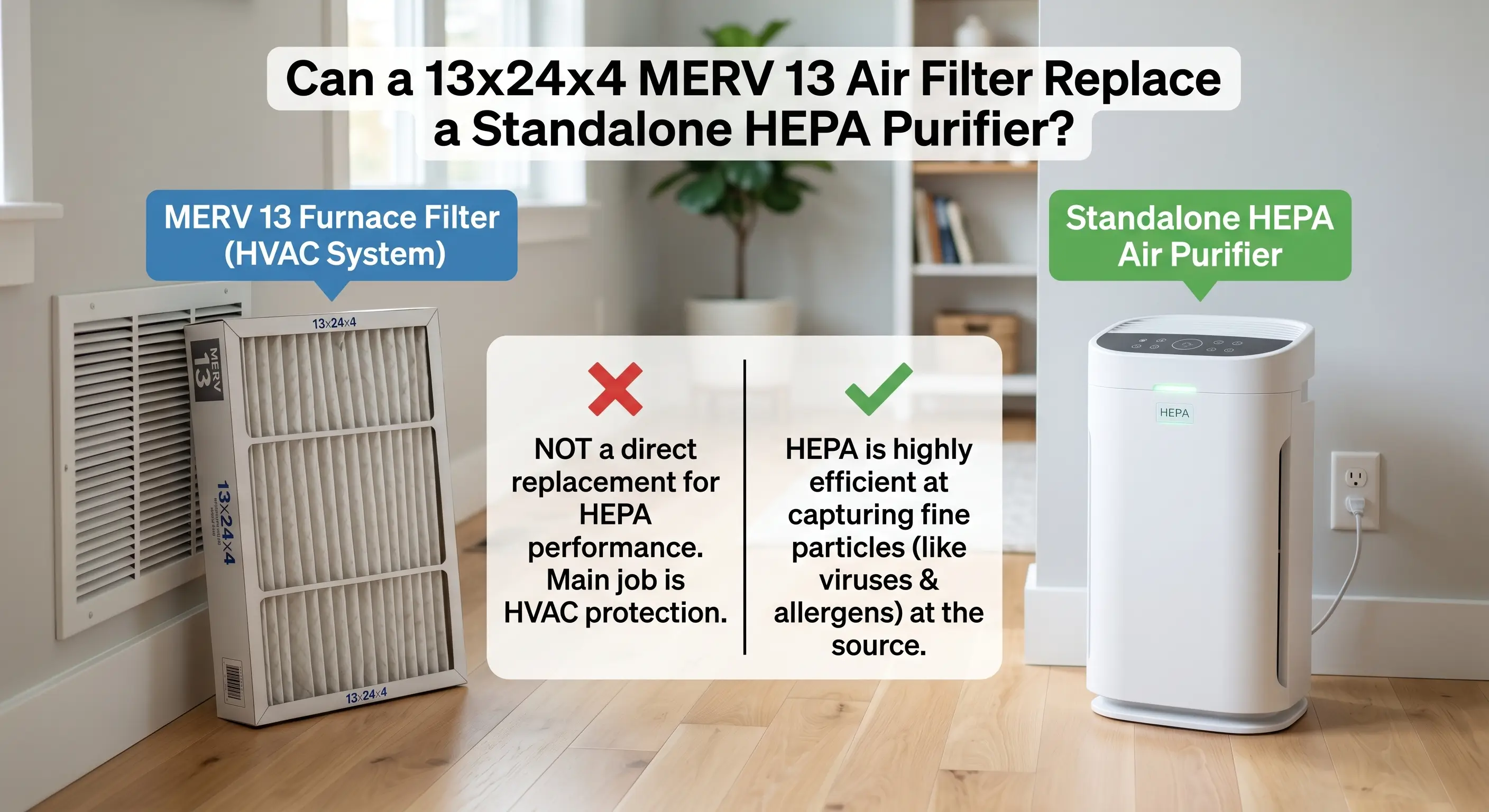
Yes, properly sized 13x24x4 air filters rated MERV 13 handles most of what a standalone HEPA purifier does at the whole-home level. The two units solve slightly different problems, though, and in plenty of Florida households the smartest setup uses both. Here's what's actually going on behind your return grille, and when HEPA still earns a spot in the plan.
TL;DR Quick Answers
Can a 13x24x4 MERV 13 replace a HEPA purifier? For most whole-home situations, yes. For severe allergies, asthma, or wildfire-smoke events, run both together.
Is the 4-inch depth worth paying for? Yes. More pleated surface area means fewer filter changes and less drag on your blower.
What does MERV 13 actually catch? Pollen, dust, pet dander, most mold spores, smoke particles, and many virus-carrying droplets.
What does HEPA catch that MERV 13 misses? Ultrafine particles under 0.3 microns at very high efficiency. That efficiency only shows up in the room where the HEPA unit sits.
What's the smartest first move? Swap your return filter for a 4-inch MERV 13. Everything after that is optimization.
Top Takeaways
A 13x24x4 MERV 13 can stand in for a HEPA purifier across most of your home. The two also layer well when allergies, asthma, or smoke events enter the picture. Independent MERV vs HEPA breakdowns reach the same conclusion.
The 4-inch depth earns its keep. More pleated surface area means fewer filter changes, steadier airflow, and less stress on your blower than a thin high-MERV filter.
EPA names MERV 13 the residential minimum for homes serious about PM2.5 and virus-carrying particles. Use the highest MERV your system can safely handle.
HEPA still wins on the smallest particles (under 0.3 microns), but only in the room it sits in.
Fix leaky ducts first, then stick to a reliable filter change schedule. Porous ductwork and forgotten filters quietly cancel out every other air quality upgrade.
What a 13x24x4 MERV 13 Filter Actually Does
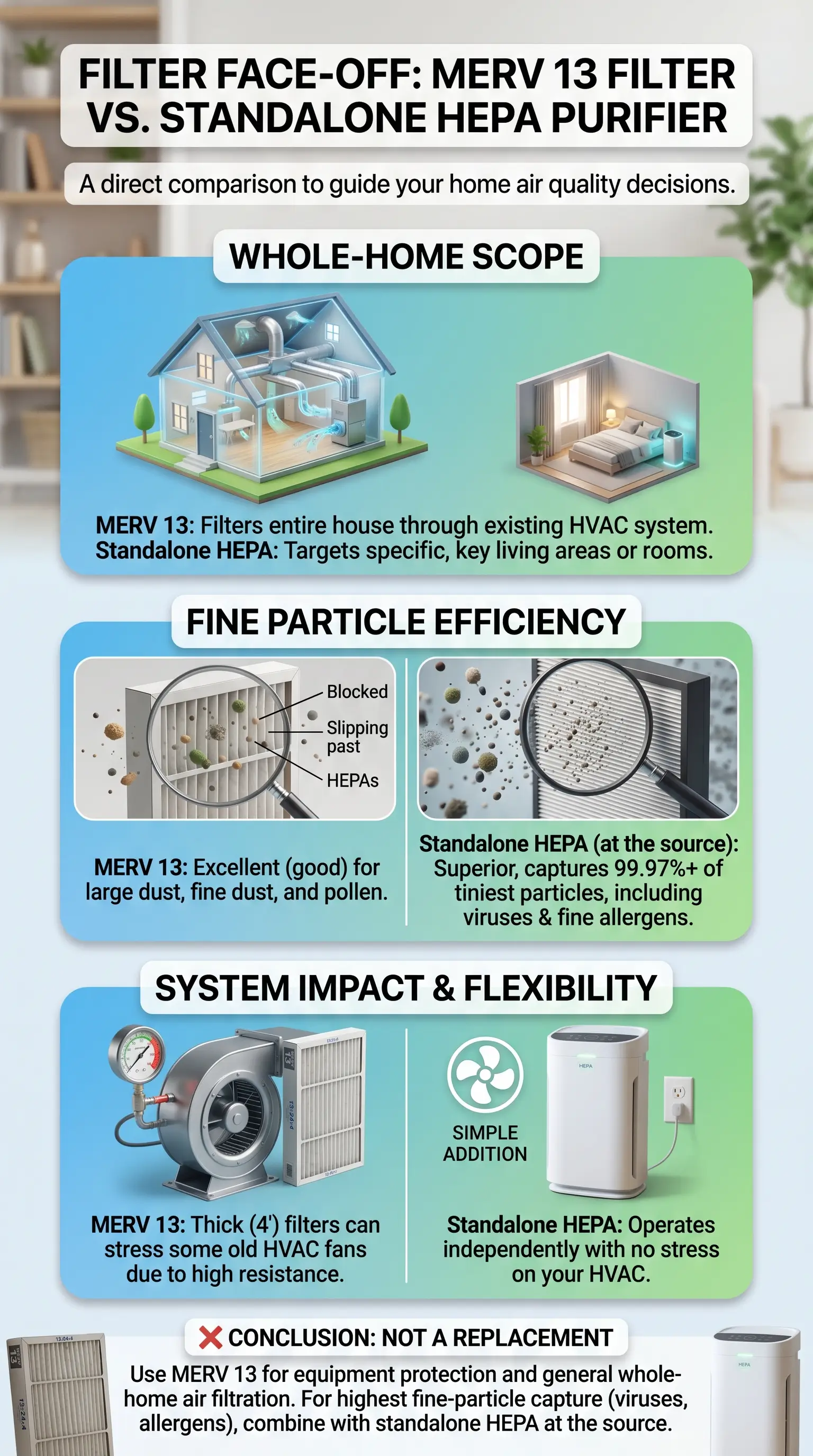
A 13x24x4 MERV 13 is a whole-home pleated media air filter that sits inside your HVAC return. The 4-inch depth matters more than most people realize. Compared with a standard 1-inch filter, this design packs far more pleated surface area into the same slot. It captures more particles, lasts longer (6–12 months in most Jupiter homes), and pulls less strain on your blower than a thin high-MERV filter would.
MERV 13 is the highest efficiency most residential systems can accept without airflow issues. It pulls in a meaningful share of pollen, dust, pet dander, mold spores, smoke particles, and many virus-carrying droplets. Side-by-side MERV 13 reviews across major brands reach the same whole-home conclusion we do.
What a Standalone HEPA Purifier Does Differently
A true HEPA purifier is a portable, plug-in appliance with its own fan. Its filter is rated to capture 99.97% of particles at 0.3 microns, which is the sweet spot for the smallest airborne troublemakers: ultrafine smoke particles, fine allergens, and virus aerosols. The catch? HEPA is a room-by-room solution. It cleans the air it pulls in, not the air moving through your whole house. Homeowners comparing HEPA purifier options for a nursery, home office, or sealed bedroom are buying into that room-focused design on purpose.
Where They Overlap, Where They Don't
In practice, your 13x24x4 MERV 13 handles the bulk of the work every time your HVAC cycles. Pollen, dust, dander, and most mold spores come out of circulation the moment they pass through. A HEPA purifier picks up what slips past and what lingers in one room. On ultrafine particles under 0.3 microns, HEPA still has the edge. Neither catches gases or odors without added activated carbon. If your home currently runs thinner 1-inch filters or a basic MERV 8 option, the jump to a 4-inch MERV 13 is the most noticeable air quality change most families will ever feel.
The Florida Factor: Humidity, Pollen, and Coastal Air
South Florida homes load filters faster than the rest of the country. Pollen seasons, humidity-driven dust, and the fine salt-and-sand mix drifting inland from the coast can turn a 1-inch filter grey inside of 30 days. A 4-inch MERV 13 absorbs that load across far more media, which is why independent 4-inch media reviews routinely favor deeper filters in heavy-use climates. Pair the upgrade with curated allergy filter picks and most allergy sufferers feel the difference within two weeks.
If Your Slot Is a Different Size
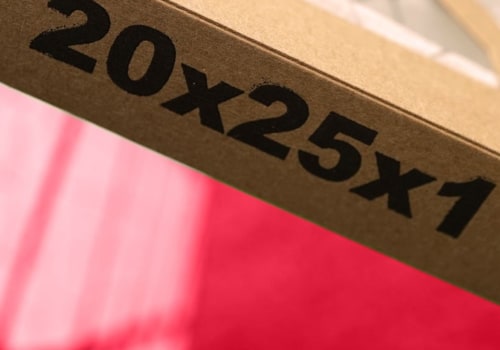
Not every home is plumbed for 13x24x4. Smaller return grilles often use compact filter sizes like 16x20x1, while bigger two-story homes may need 20x25x4 or 16x25x5. The logic is the same either way: buy the highest MERV your system can safely handle, in the deepest media your slot allows. Measure your existing filter (length × width × depth) before you shop.
“In more than a decade of manufacturing filters and working with Jupiter families, we've found that upgrading the return to a 4-inch MERV 13 delivers the single biggest air quality improvement most households will ever notice. HEPA still earns its keep as a supporting layer when severe allergies, asthma, or smoke events enter the picture.”
7 Essential Resources
Trusted sources for going deeper, each from a different authority on indoor air quality and filtration.
U.S. EPA — What Is a MERV Rating? Federal guidance on why MERV 13 is the residential minimum. epa.gov/indoor-air-quality-iaq/what-merv-rating
CDC / NIOSH — Improving Air Cleanliness. Public-health guidance on MERV 13 plus when to add portable HEPA cleaners. cdc.gov/niosh/ventilation/prevention/air-cleanliness.html
Asthma and Allergy Foundation of America — Air Cleaners: What You Need to Know. Patient-advocacy guidance for households managing allergies or asthma. community.aafa.org/blog/air-cleaners-what-you-need-to-know
DOE Building America Solution Center — High-MERV Filters. Department of Energy technical resource on MERV, static pressure, and residential selection. basc.pnnl.gov/resource-guides/high-merv-filters
ASHRAE — Filtration and Disinfection. The engineering society that sets the MERV 52.2 standard and publishes residential filtration best practices. ashrae.org/technical-resources/filtration-disinfection
American Lung Association — Indoor Air Quality. Health-focused overview of indoor pollutants, HVAC filtration, and portable air cleaners. lung.org/clean-air/indoor-air
ENERGY STAR — Heating & Cooling. Joint EPA/DOE program with HVAC efficiency guidance, including filter maintenance that protects air and energy bills at the same time. energystar.gov/products/heating_cooling
3 Statistics Worth Knowing
Indoor air can be 2–5 times more polluted than outdoor air. EPA Total Exposure Assessment Methodology (TEAM) studies found common organic pollutants 2–5× higher inside U.S. homes than outside, and occasionally more than 100× higher. epa.gov/report-environment/indoor-air-quality
MERV 13 filters must remove at least 50% of the smallest particles tested (0.3–1.0 microns). Per EPA's residential air cleaner guidance, MERV 13 and above must demonstrate at least 50% removal efficiency for the smallest particle range, which is the size most associated with health risk (PM2.5). epa.gov/indoor-air-quality-iaq/guide-air-cleaners-home
About 6.5% of U.S. children currently have asthma. CDC FastStats (NHIS 2019–2024) reports current asthma in 6.5% of children under 18, and asthma drives roughly 1.4 million U.S. emergency-department visits each year. That's a concrete reason whole-home filtration matters in any household with sensitive lungs. cdc.gov/nchs/fastats/asthma.htm
Final Thoughts and Opinion
Here's where we land after years of putting filters into real Jupiter homes: for most households, a 13x24x4 MERV 13 in the return is the single highest-return air quality upgrade you can make. It filters every cubic foot of air your HVAC moves, runs 24/7, and doesn't add another fan humming in your bedroom. A HEPA tower feels reassuring, but if your return is still running a cheap fiberglass filter or a 1-inch thinner option, you're buying spot treatment for a whole-home problem.
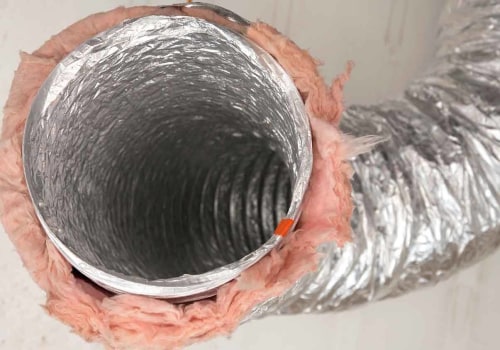
HEPA isn't obsolete, though. Households with moderate-to-severe allergies, asthma, or anyone immunocompromised will feel the difference from a HEPA unit in the most-used room. Same goes for families riding out wildfire smoke or red-tide air drifting inland. And if your ductwork looks grimy or is leaking conditioned air into the attic, book a South Florida duct cleaning or repair before any filter upgrade. A filter can only work on the air it actually sees.
Think of it as layered protection: the MERV 13 handles the 80%, HEPA covers the 20% where it matters most.
Frequently Asked Questions
Is a MERV 13 filter the same as HEPA?
No. HEPA is a higher standard (99.97% at 0.3 microns) used in portable purifiers and cleanrooms. MERV 13 is the highest efficiency most residential HVAC systems can handle without airflow problems, which is why EPA names it the whole-home minimum instead of HEPA.
Will a 13x24x4 MERV 13 filter hurt my HVAC system?
For the vast majority of modern residential systems, no. The 4-inch depth actually reduces static pressure compared with a 1-inch MERV 13, because the airflow spreads across far more pleated media. Older systems with smaller blowers deserve a quick check by your HVAC pro to confirm compatibility.
How often should I change a 13x24x4 MERV 13 in a Florida home?
Plan on every 6–12 months for most Jupiter homes. Shift to the shorter end if you have pets, seasonal allergies, nearby construction, or run the AC hard year-round. Check it seasonally and swap it whenever it looks loaded. Independent change frequency tips land in the same range.
Do I still need a HEPA purifier if I upgrade to MERV 13?
It depends on the household. Healthy adults in a well-sealed home with good ducts often don't. Allergy and asthma sufferers, homes with infants or elderly family members, and anyone riding out wildfire smoke events usually benefit from adding a HEPA in the most-used room.
Can a MERV 13 filter capture wildfire smoke?
Partially. MERV 13 catches a significant share of smoke particles, which is why CDC and EPA point to it during smoke events. For heavy smoke, add a portable HEPA to the bedroom and keep outdoor air intake closed.
Ready to Breathe Easier?
You're the hero of your home's air quality, and the fastest win is sitting right behind your return grille. If your filter slot takes a 4-inch media filter, swapping in a MERV 13 today protects your family, your HVAC, and your monthly energy bill in one move.
Shop premium 13x24x4 air filters direct from the American manufacturer, with subscription delivery so you never forget a change-out again. Prefer your usual retailer? The same filter is available as an online retailer option or through an online marketplace listing. Better air for all starts with the next filter you install.
Learn more about HVAC Care from one of our HVAC solutions branches…
Filterbuy HVAC Solutions - Miami FL - Air Conditioning Service
1300 S Miami Ave Apt 4806 Miami FL 33130
(305) 306-5027
https://maps.app.goo.gl/Ci1vrL596LhvXKU79